
Restored Chewing
Filling the gap gives you a full arch to bite with again, so you stop favoring one side and food stops collecting where the tooth used to sit.
What happens to the space where a tooth used to be? The teeth around it start leaning in, which is why dental bridges in Carmichael, CA, do far more than fill a gap. Marconi Dental Group builds each one to hold your bite steady for the long run.

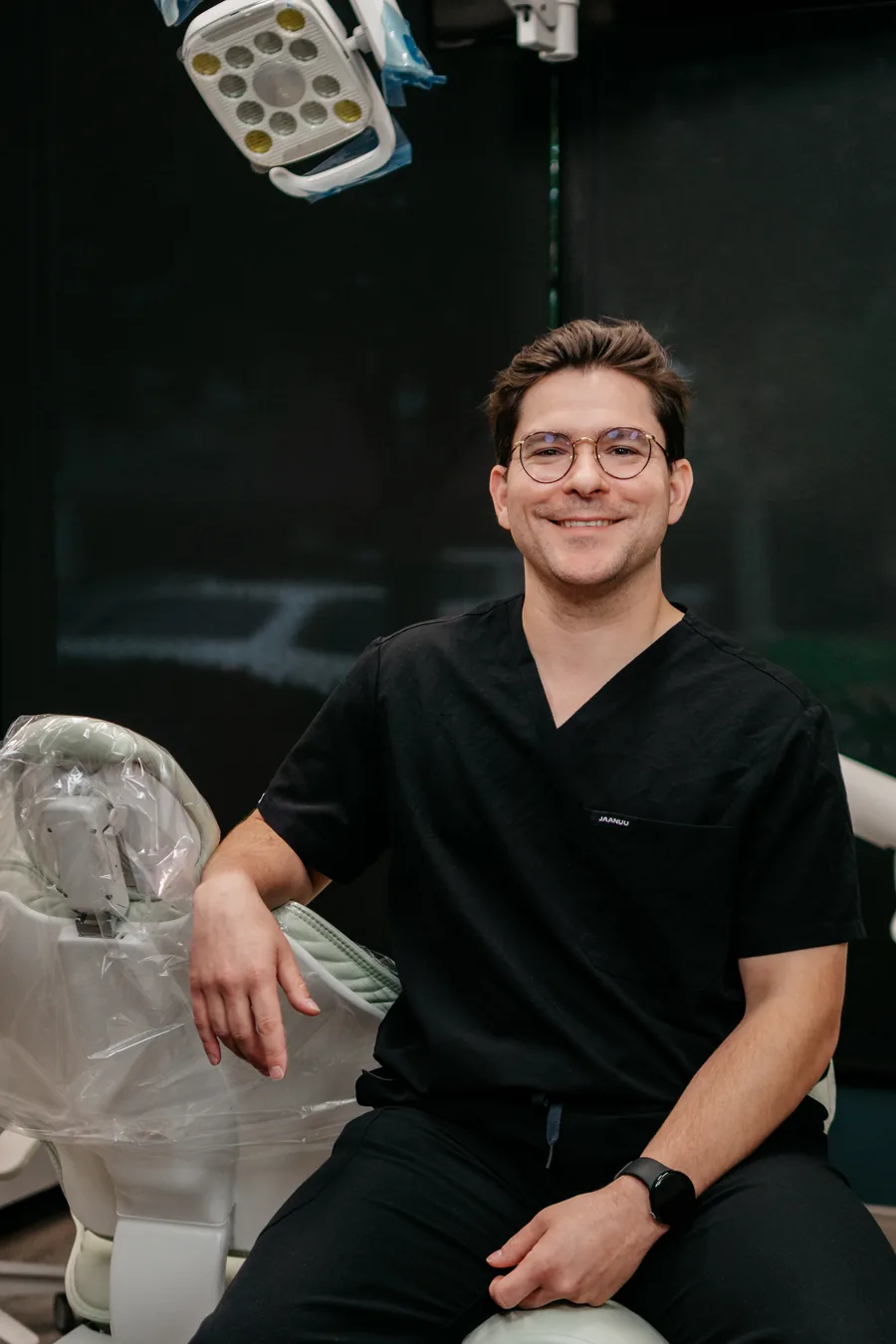
A dental bridge replaces one or more missing teeth by anchoring a replacement to the healthy teeth on either side of the gap, or to implants placed for that purpose. Dr. Dylan Kovar handles bridge work as part of his restorative and prosthodontic focus, including cases where the bite has already shifted. Dr. Werner Visagé evaluates the gum and bone support around the anchor teeth before anything gets prepared.
Filling the gap gives you a full arch to bite with again, so you stop favoring one side and food stops collecting where the tooth used to sit.
Neighboring teeth lean toward an open space over time, and a bridge holds them upright before that drift starts changing how your bite closes.
The replacement tooth is shaped and shaded against the ones beside it, which keeps the repair from reading as anything other than your own smile.
A bridge stays cemented in place, so there is nothing to remove at night and nothing that shifts while you are eating or talking with someone.
From your first exam to the final result, here's exactly what to expect — calm, clear, and never rushed.
Schedule AppointmentDigital images show the bone and root health around the gap, which determines whether a bridge or an implant is the better fit for your case.
The teeth on either side are numbed and reshaped just enough to seat the crowns that will carry the bridge across the open space between them.
An iTero scanner records the prepared teeth, the gap, and your bite in three dimensions, which the lab uses to build a precisely fitted bridge.
A temporary spans the space while your permanent bridge is made, protecting the prepared teeth and keeping your appearance intact meanwhile.
Your bridge is tried in, checked for fit and shade, balanced against your bite, and then cemented once every single contact reads exactly right.
Missing Tooth — You have an open space from an extraction or an injury, and the teeth surrounding it have not yet had the time to drift sideways into that gap.
Shifting Teeth — A tooth beside an older gap has started to look tilted, or the tooth above it has begun dropping down toward the empty space left underneath.
Chewing Changes — You have quietly moved all of your chewing to one side, which loads those teeth a good deal harder than they were ever designed to handle alone.
Speech Changes — Certain sounds have become harder to form cleanly, which happens most often when the missing tooth sits somewhere toward the front of your mouth.
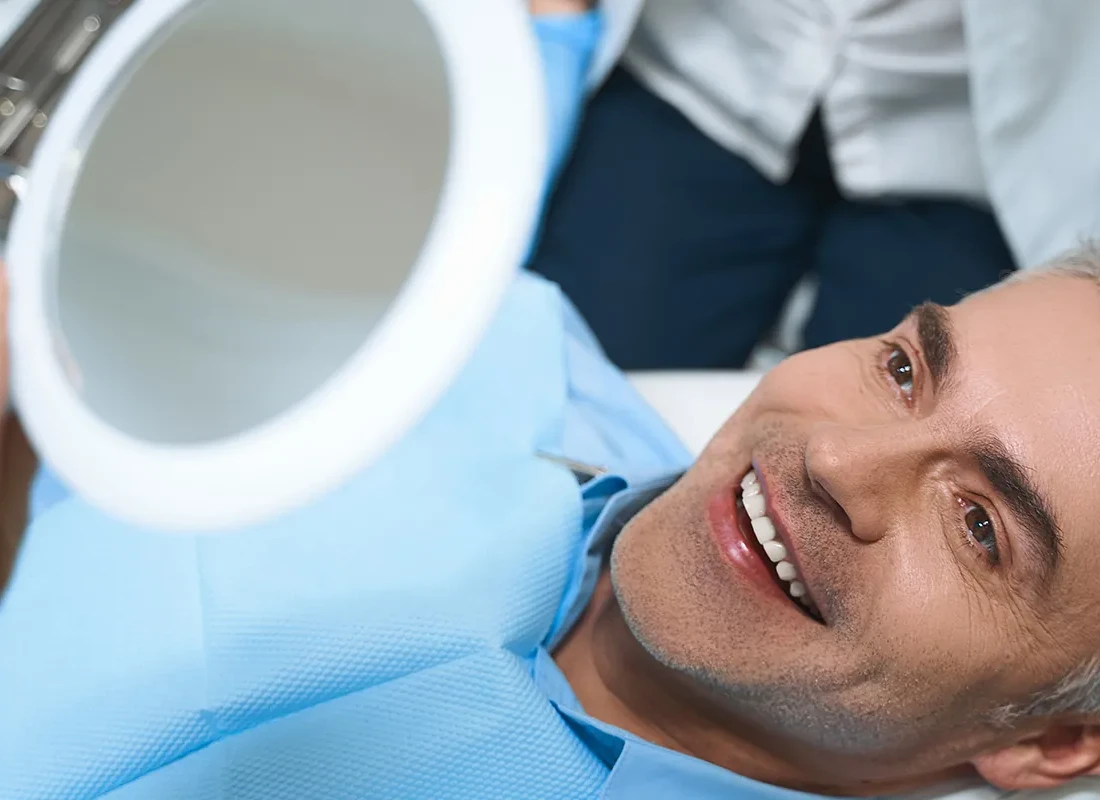
Both options get laid out with their tradeoffs before anything is prepared, since a bridge is not automatically the right answer for every gap.
The supporting teeth are reshaped only as much as the crowns require, because those two teeth will now carry the load of three across the span.
Your bridge is contoured so that floss threaders and water flossers reach beneath it, which is what keeps the anchor teeth healthy for years to come.
Contacts are adjusted so force distributes evenly along the bridge rather than landing on one end, which is the thing that makes a bridge fail early.
Real patients of Marconi Dental Group share their experience — from first visits to life-changing smile transformations.
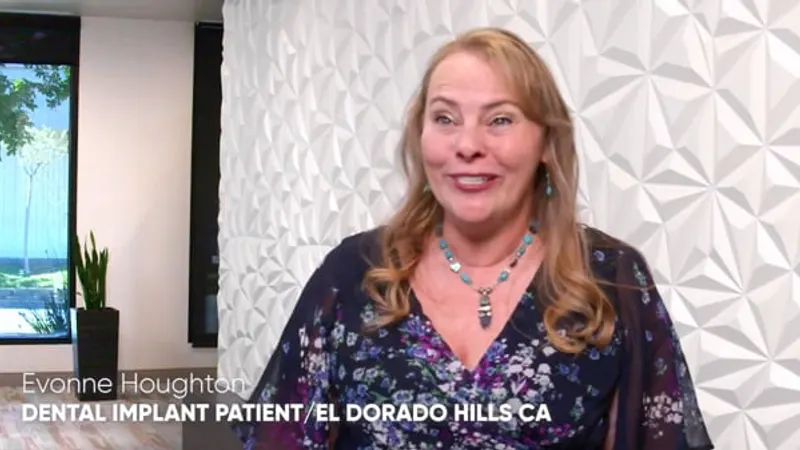
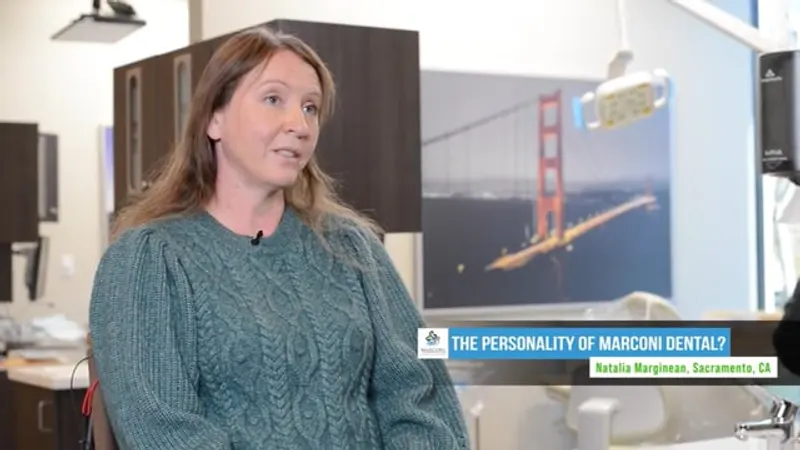
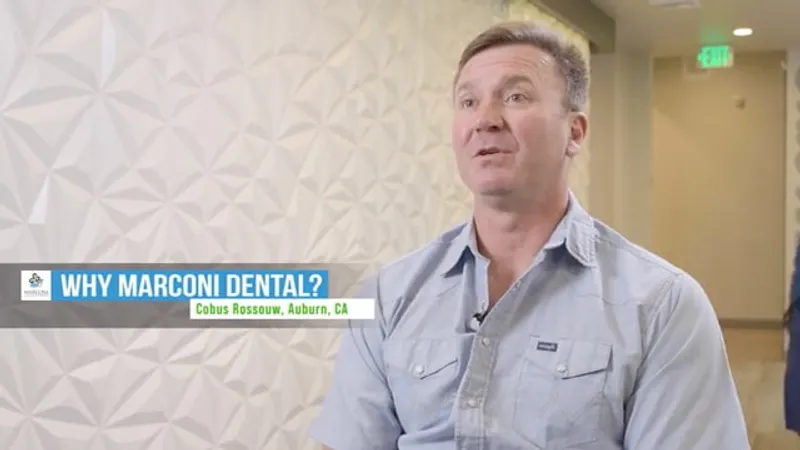
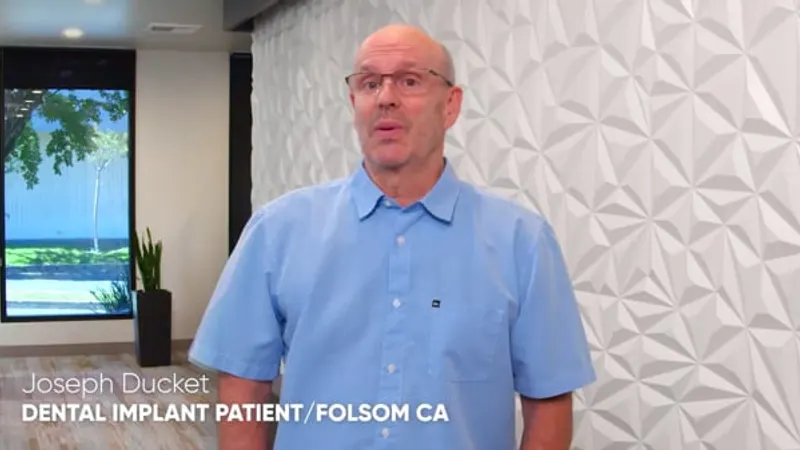
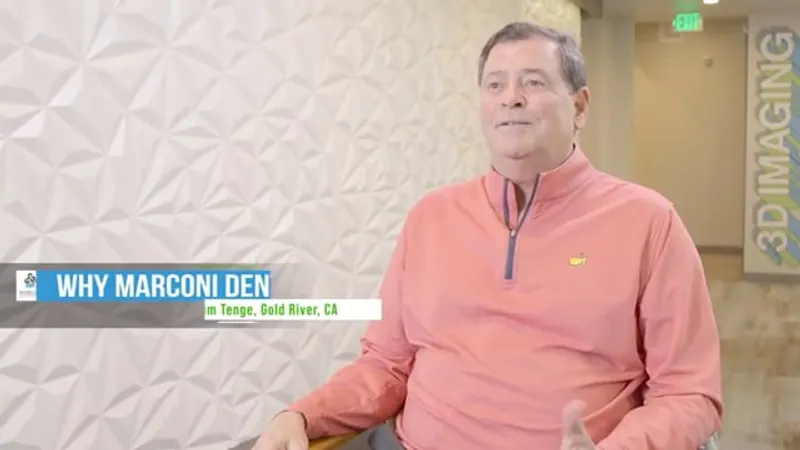
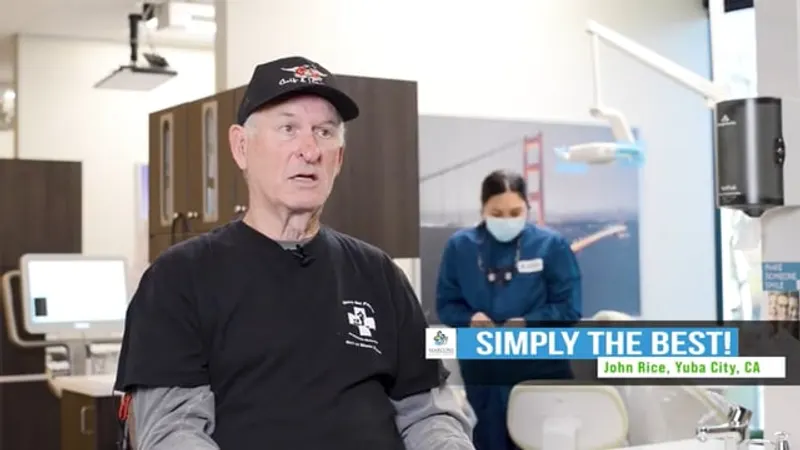
Over 500+ 5-star reviews and counting…
Replacing a tooth should start with a real comparison, not a sales pitch. We walk through what each option costs you in time, money, and tooth structure.
Here are just a few reasons our patients love us:
Don't see the answer you're looking for? Call us at (916) 487-7148.
Ten to fifteen years is typical, and many last longer when the anchor teeth stay healthy and the bite is well balanced. Cleaning underneath the bridge daily is the single biggest factor in how long yours holds up.
A bridge borrows support from the two teeth beside the gap, while an implant stands on its own in the jawbone. A bridge is usually faster and involves no surgery, though an implant preserves bone and leaves the neighboring teeth untouched.
A floss threader or a water flosser lets you clear the space beneath the replacement tooth, which is where trouble starts if it gets skipped. Your hygienist will show you the technique and check the area at every cleaning.
Cost depends on how many teeth the bridge spans, the material, and whether the anchor teeth need work first, so our front desk provides a written figure up front. Cherry, CareCredit, and in-house financing are available, and Marconi Dental Plan members receive 30% off cash fees.
Most PPO plans classify a bridge as major restorative work and cover a share of the fee, often after a waiting period and within your annual maximum. We accept all major providers, work with out-of-network plans, and verify your benefits before treatment starts.
A gap only gets more complicated the longer it sits. Book online for dental bridges in Carmichael, CA, and we will start with a scan and an honest comparison.
Prefer to talk? Call us at (916) 487-7148