
Implant Foundation
An implant needs enough surrounding bone to fuse with and hold onto, and grafting builds that volume back where extraction or disease took it.
Has someone told you there is not enough bone? That is usually a starting point rather than a verdict, and bone grafting in Carmichael, CA, is how the foundation gets rebuilt. Marconi Dental Group handles this groundwork in the same office that places the implant.
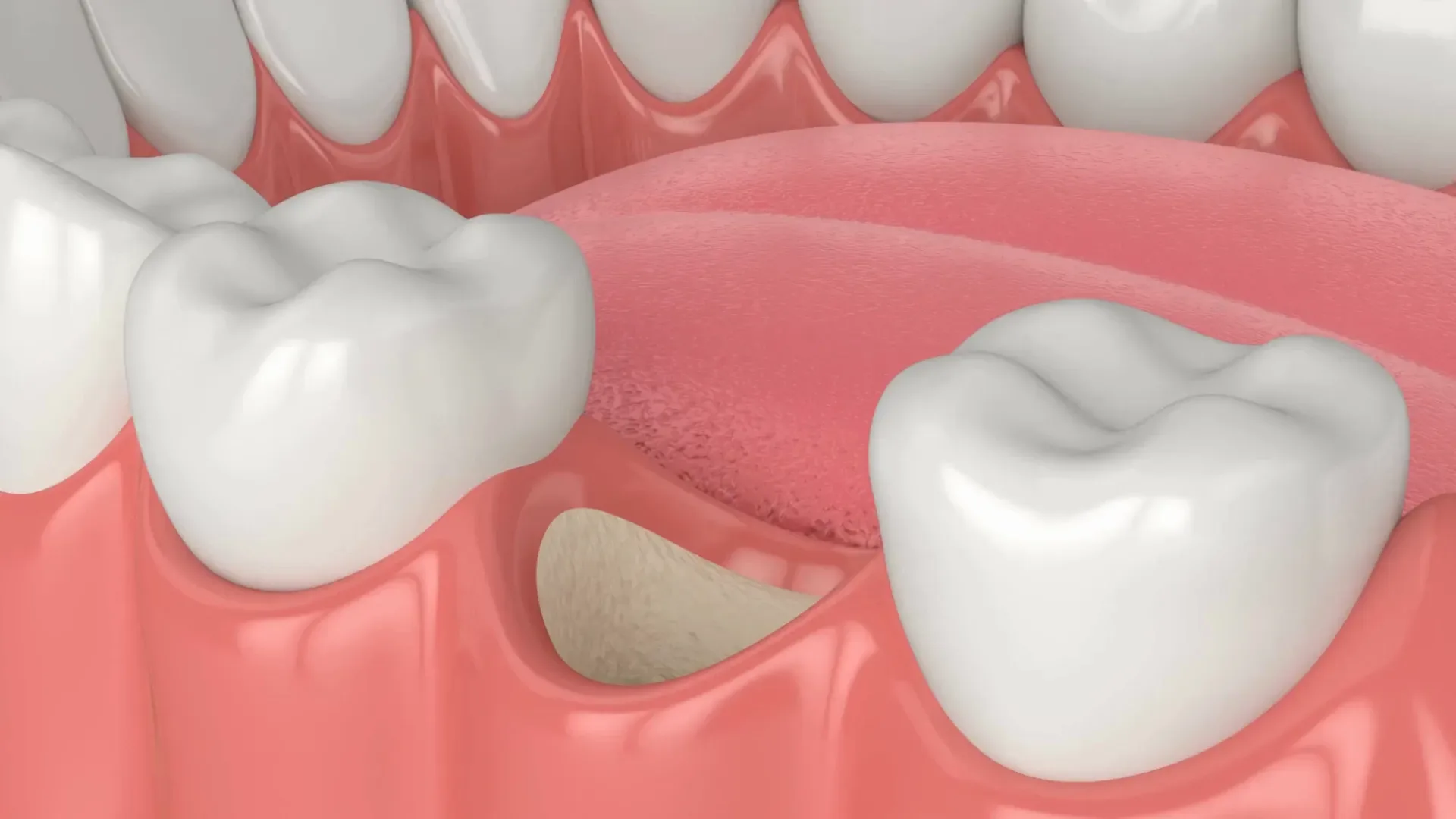
Bone grafting is a procedure that rebuilds jawbone volume lost to extraction, gum disease, or years of an empty space, creating the stable base an implant needs to hold. Dr. Dylan Kovar plans grafting from a CBCT scan as part of the wider implant case rather than as a separate errand. Dr. Werner Visagé brings further surgical experience to the practice on the days he is seeing patients.
An implant needs enough surrounding bone to fuse with and hold onto, and grafting builds that volume back where extraction or disease took it.
Grafting a socket at the time of removal keeps the ridge from collapsing inward, which is far easier than rebuilding it a year or two later.
The jaw supports the lips and the cheeks, so maintaining bone width also protects the shape of your lower face and jawline as the years go on.
Rebuilding the site reopens treatments that were ruled out, so an implant becomes possible where a denture was once the only remaining answer.
From your first exam to the final result, here's exactly what to expect — calm, clear, and never rushed.
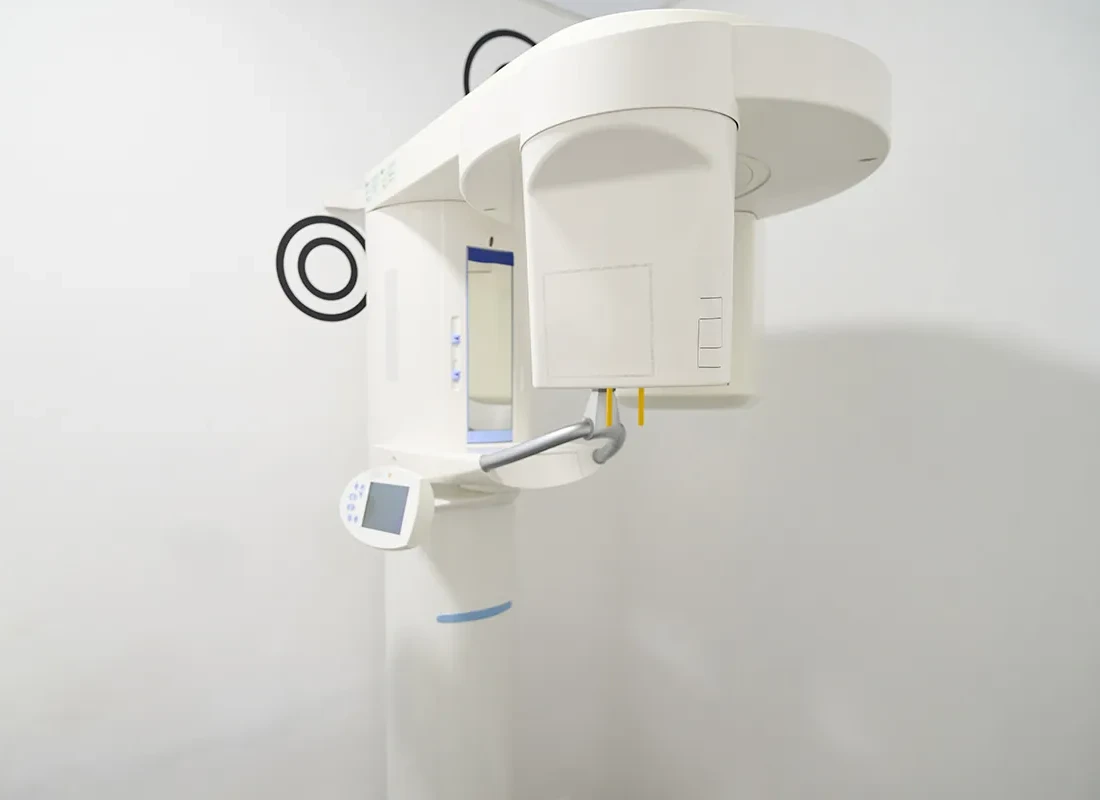
Schedule AppointmentA CBCT scan measures the height, the width, and the density of bone at the site, which shows precisely how much volume needs to be rebuilt.
Dr. Kovar selects the approach and the material based on the site itself and on what the finished restoration will eventually need to support.
The area is opened, cleaned, and packed with graft material under local anesthetic, with oral sedation available for anyone who would want it.
Your own bone grows into and gradually replaces the graft over several months, which is the biological work that no procedure can shortcut.
A follow-up scan confirms the site now has enough volume and density, and only then does implant placement get scheduled on the calendar.
Recent Extraction — A tooth has just been removed or is scheduled to come out, and grafting the socket now preserves the ridge for whatever you choose to do next.
Longstanding Gap — A space has sat empty for years, and the bone underneath it has quietly narrowed the entire time without any pressure to maintain itself.
Turned Away — Another office told you an implant was not possible, which very frequently means bone volume rather than anything about the tooth itself.
Sunken Ridge — The gum line looks flattened or scooped where a tooth used to be, which is a visible sign that the bone underneath it has already receded.
The graft is designed around the implant it will eventually support, so the site gets rebuilt to the shape the final restoration actually needs.
CBCT imaging quantifies exactly how much bone is present in three dimensions, which turns the plan into arithmetic instead of a judgment call.
When a tooth is coming out anyway, grafting that socket the same day preserves the ridge and saves you a separate procedure further down the road.
Patients who were told elsewhere that they lacked bone are worth rescanning, because a graft very often changes what is actually possible for them.
Real patients of Marconi Dental Group share their experience — from first visits to life-changing smile transformations.
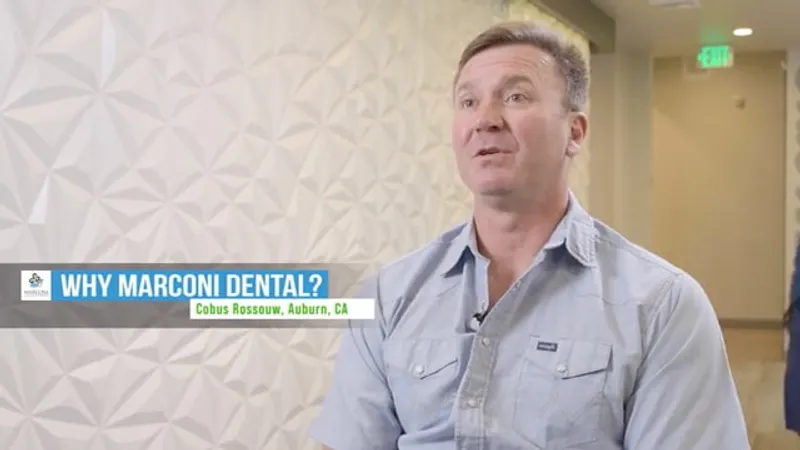
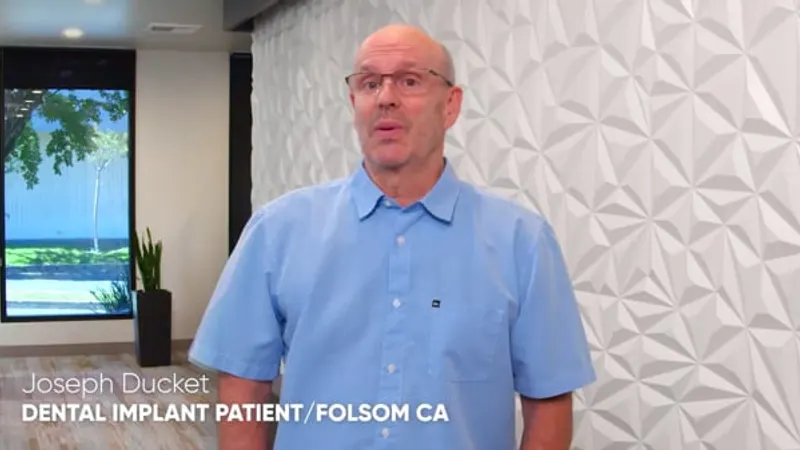
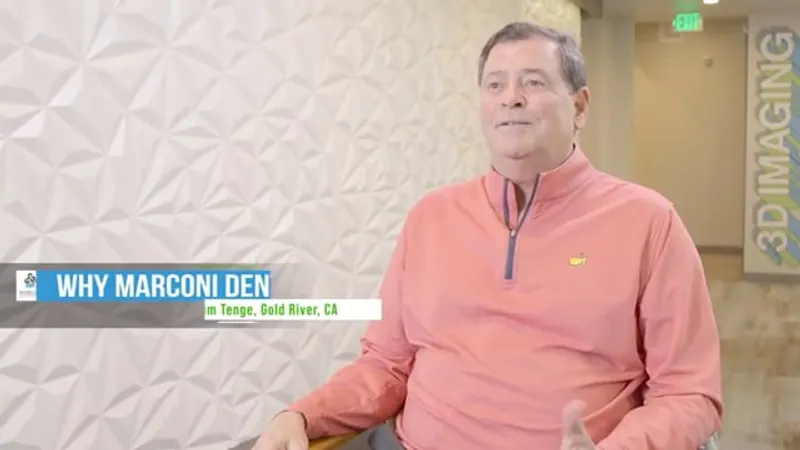
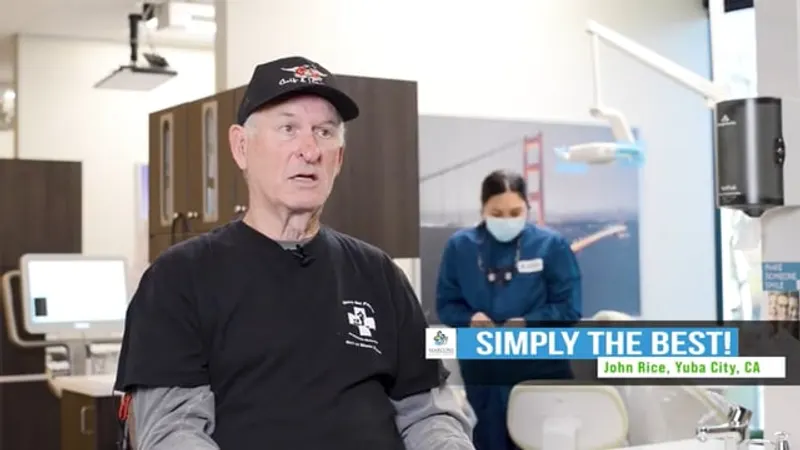
Over 500+ 5-star reviews and counting…
Grafting is rarely the treatment someone came in asking about. We explain why it is on the plan, what it buys you, and how long it adds.
Here are just a few reasons our patients love us:
Don't see the answer you're looking for? Call us at (916) 487-7148.
Most sites need three to six months before an implant can be placed, since your own bone has to grow in and replace the graft material. Larger reconstructions take longer, and a follow-up scan confirms readiness rather than the calendar deciding it.
Depending on the site, grafts use your own bone, processed donor bone, or a synthetic material, and each one behaves a little differently. Dr. Kovar explains which option suits your case and why before anything is scheduled.
The procedure is done under local anesthetic, and most patients compare the recovery to an extraction rather than to anything worse. Soreness and swelling settle within a few days, and oral sedation is available if the appointment itself worries you.
Cost depends on the size of the site and the material used, and a socket graft at the time of extraction costs considerably less than rebuilding a ridge later. Our front desk quotes the figure in writing, and Cherry, CareCredit, and in-house financing are available.
Some PPO plans cover grafting when it follows an extraction or supports a covered procedure, while others treat it as part of the implant and exclude it. We accept all major providers, work with out-of-network plans, and verify exactly what applies beforehand.
A scan will tell you how much bone is actually there and what it would take to rebuild it. Book online for bone grafting in Carmichael, CA, and we will give you a straight answer on what is possible.
Prefer to talk? Call us at (916) 487-7148