
Table of Contents
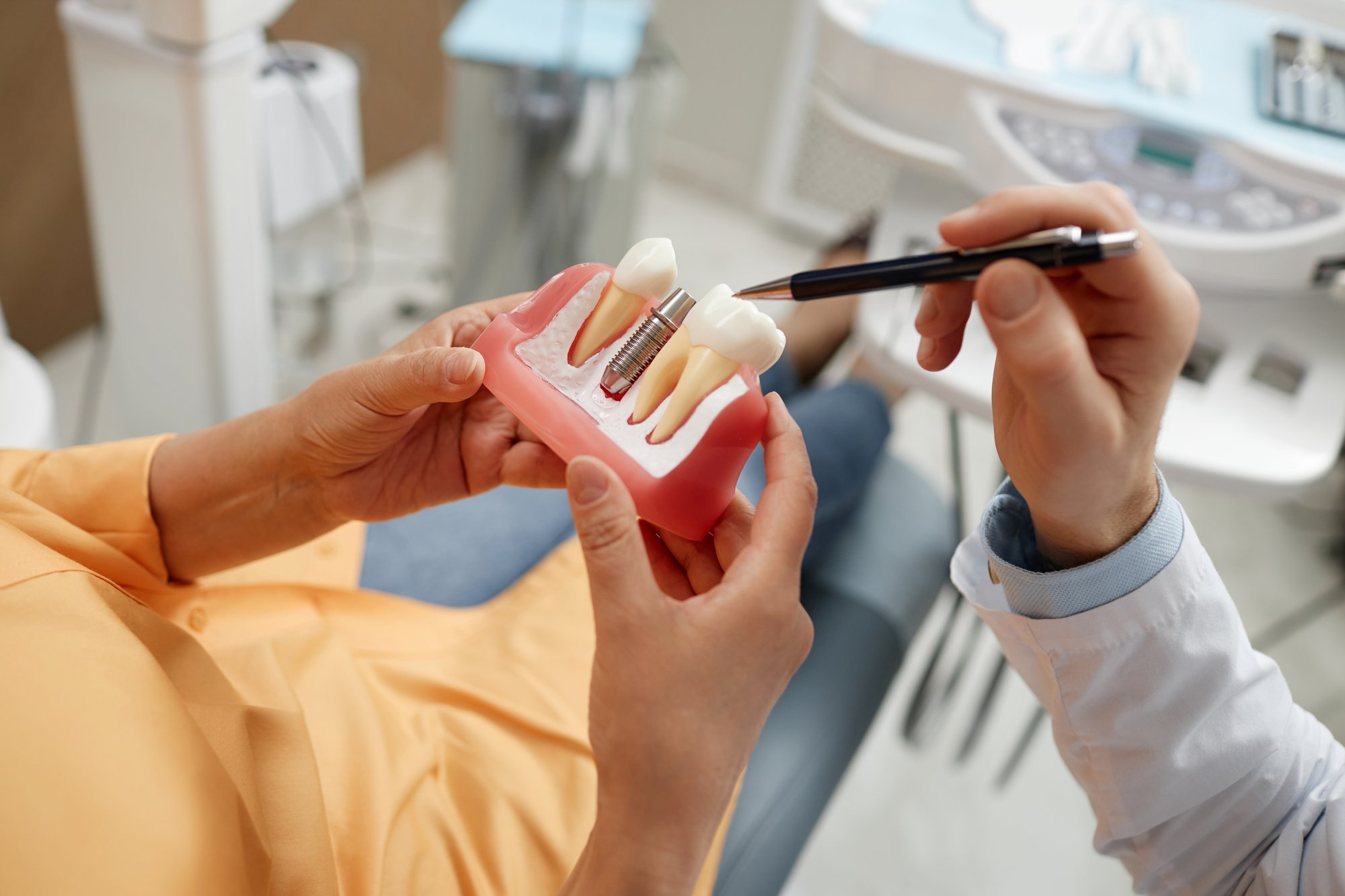
Weighing a dental implant and wondering if it’s really worth it? One of the biggest reasons people choose them is how long dental implants last, often much longer than other tooth replacements. A dental implant is a tiny titanium post placed in the jaw that fuses with the bone to support a lifelike crown. That bond is what gives an implant its long-term staying power, decade after decade. Understanding what drives that lifespan makes the investment easier to weigh.
Key Takeaways
- With good care, the implant post itself can last a lifetime.
- The crown on top usually lasts ten to fifteen years before it may need replacing.
- Osseointegration, where bone fuses to the titanium, is the key to an implant’s longevity.
- Daily cleaning, checkups, and not smoking all extend how long an implant lasts.
- Implants outlast bridges and dentures, which typically need redoing over the years.
1. The Implant Post Can Last a Lifetime
The titanium post placed in the jaw is built to be permanent. According to the Mayo Clinic, a dental implant relies on the jawbone healing tightly around the post, a process that takes months but creates a solid, lasting foundation. Once that bond forms, the post rarely needs to be replaced. Most of the maintenance over the years involves the crown on top, not the implant itself. That durability is a big part of why implants are considered a long-term solution. Long-term studies regularly report implant survival above ninety percent well past the ten-year mark, which is a major reason they’ve become a standard way to replace a tooth.
2. The Crown Has a Shorter Lifespan Than the Post
While the implant can last for life, the visible crown does not. Everyday chewing gradually wears the crown, and after about ten to fifteen years it may need replacing. Swapping a crown is much simpler than placing a new implant, since the post stays put. Grinding, very hard foods, and skipped checkups can shorten a crown’s life. Treating the crown as the part that occasionally gets refreshed sets realistic expectations. It’s a bit like resurfacing a driveway rather than repouring the foundation underneath.
3. Osseointegration Is the Secret to Longevity
An implant lasts because it becomes part of the jaw. During osseointegration, the bone grows around and locks onto the titanium, much like a natural tooth root. That living bond keeps the implant stable under the force of chewing for years. It’s also why healing time matters so much, since rushing it can weaken the foundation. A well-integrated implant behaves like a permanent part of your mouth, which is also why it feels so natural once healing is complete.
4. Your Habits Shape How Long It Lasts
The implant does its part, but daily care decides the rest. Brushing, flossing around the implant, and regular cleanings keep the surrounding gum and bone healthy, which protects the implant. Smoking is one of the biggest threats, since it slows healing and raises the risk of implant failure. Managing conditions like diabetes helps too. Regular checkups let a dentist catch early gum inflammation around the implant, called peri-implantitis, before it can threaten the bond. People who care for an implant like a natural tooth tend to keep it the longest, whether they’re in Carmichael or nearby Fair Oaks.
5. Implants Outlast Bridges and Dentures
Compared with the alternatives, implants win on longevity. A bridge often needs redoing every ten to fifteen years, and dentures require relining and eventual replacement. Because an implant replaces the tooth root, it also preserves the jawbone, which the other options can’t do. That bone preservation helps keep the face from looking sunken over the years, a subtle benefit worth weighing. Over a lifetime, that staying power often makes the implant the more economical choice despite its higher upfront cost. Fewer replacements mean fewer procedures down the road.
Built to Last for the Long Haul
When you add it up, how long dental implants last is what sets them apart from every other way to replace a tooth. The post can serve for life, the crown gets refreshed now and then, and good daily care protects the whole thing for decades. Dental implants reward a little upkeep with a result that feels permanent and natural. For a tooth replacement measured in decades rather than years, few options come close.
If you want to learn more about how long dental implants last, visit our Dental Implants in Carmichael, CA, page or schedule a consultation.