
Table of Contents
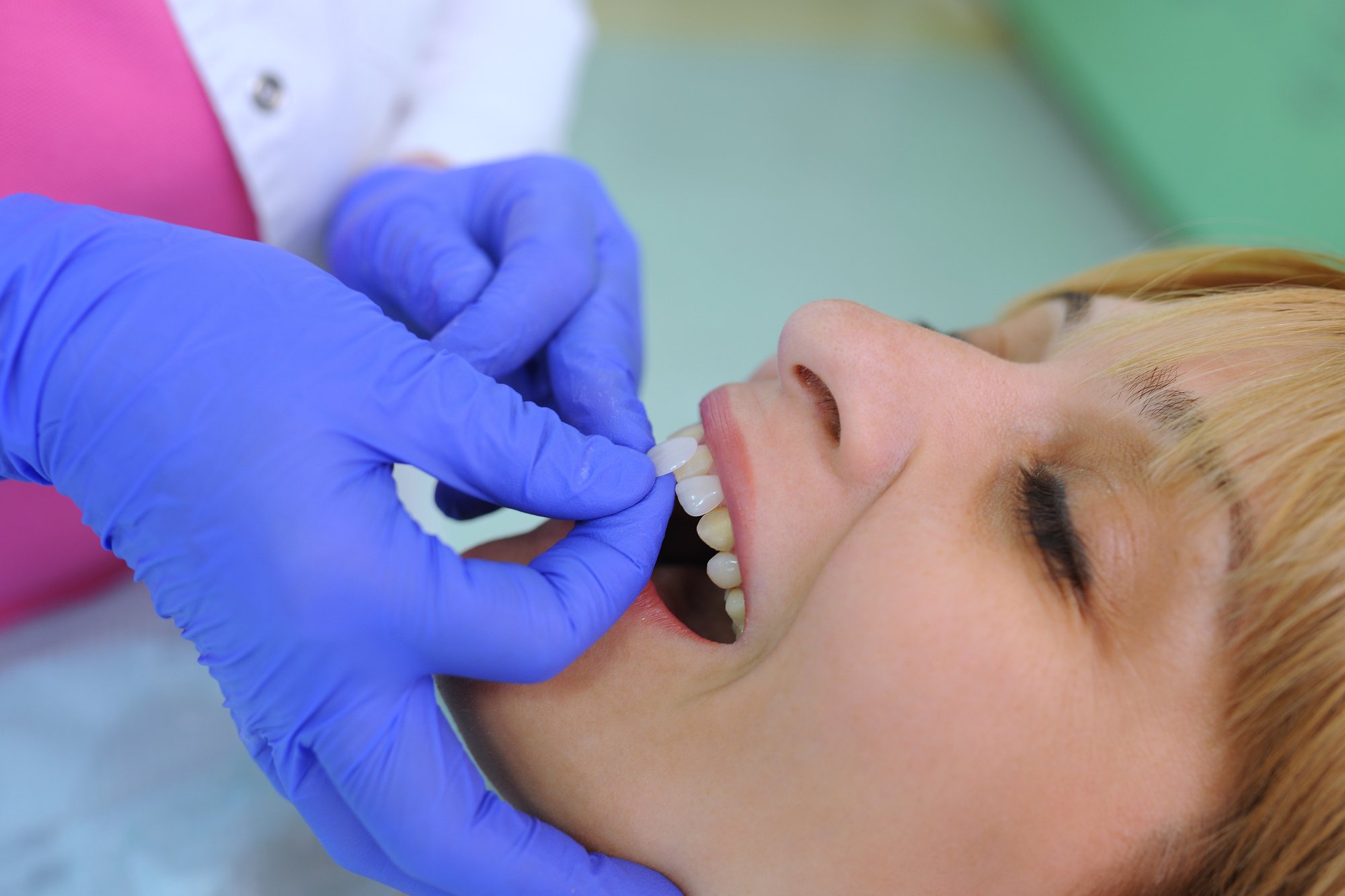
Thinking about veneers but wondering if they only work up top? You can absolutely get veneers on your bottom teeth, not just the upper ones most people picture. A veneer is a thin porcelain or composite shell bonded to the front of a tooth to improve color, shape, or alignment. Lower teeth are on display more than they seem, especially when you talk or laugh, so treating them can balance the whole smile. The main difference is that the bite puts more demand on bottom veneers, which shapes the planning.
Key Takeaways
- Veneers can be placed on bottom teeth, not only the upper front teeth.
- Lower teeth are more visible than they seem, so treating them helps the smile look balanced.
- The bite puts extra pressure on bottom veneers, which factors into the design and material choice.
- Bottom teeth are often smaller, so precise shaping and shade matching matter even more.
- A healthy tooth and a stable bite are the foundation for a lasting lower veneer.
Can You Put Veneers on Bottom Teeth?
Yes, and it’s a routine part of cosmetic dentistry. According to the Cleveland Clinic, veneers are thin coverings placed over the front part of a tooth to improve its appearance, and that applies to lower teeth just as much as upper ones. When the bottom teeth are stained, chipped, worn, or slightly uneven, veneers can bring them back into harmony with the rest of the smile. Because the lower arch shows when you speak and laugh, leaving it out can make an upgraded top row look mismatched. Treating both arches, when needed, keeps the result looking natural. The decision usually turns on how much the lower teeth show and whether they distract from the overall look, not on any hard rule about which arch can be treated.
Do Bottom Veneers Look Natural?
They can look every bit as natural as upper veneers when they’re designed well. The keys are shade matching, subtle variation in shape, and proportions that suit your face and your other teeth. Bottom teeth are usually smaller and more translucent at the edges, so a skilled hand mimics those details rather than making a row of identical shells. Done thoughtfully, lower veneers simply read as healthy, even teeth, since overcorrection is what makes any veneer look artificial, not the porcelain itself. On the lower arch, that restraint matters even more, because these teeth are small and any excess bulk or brightness stands out quickly. Whitening the natural teeth first, when that’s part of the plan, also helps the porcelain blend in, since the shade is matched to your final brightness. It’s a request that comes up often around Carmichael and nearby Citrus Heights, usually to even out a smile for photos and video calls.
What’s Different About Lower Veneers?
The biggest difference is the bite. Your lower front teeth meet the uppers every time you close your mouth, so bottom veneers have to be planned around that contact to avoid chipping. That often means careful attention to how your teeth come together, and sometimes a night guard if you grind, which spreads the pressure that would otherwise land on the new veneers. Material choice matters too, since the veneer needs to handle daily pressure while still looking thin and lifelike. Composite veneers can suit smaller corrections, while porcelain tends to hold up better against the heavier bite forces on the lower arch. Because the margins sit close to the gumline, careful placement also keeps the gums healthy and the edges invisible. A careful bite check up front is what keeps lower veneers both attractive and durable.
A Balanced Smile, Top and Bottom
Can you get veneers on your bottom teeth? Yes, and for many smiles it’s what makes the whole result look complete rather than half-finished. Veneers on the lower arch even out color and shape the same way they do up top, with extra attention paid to the bite that these teeth carry. When the top and bottom are planned together, the smile looks natural from every angle, whether you’re up close in conversation or on camera. A healthy tooth underneath and a bite that’s accounted for are what let a lower veneer last for years. The bottom teeth are more visible than you’d think, so including them is often the finishing touch.
If you want to learn more about getting veneers on your bottom teeth, visit our Veneers in Carmichael, CA, page or schedule a consultation.